


The complete guide
How to choose the right ultrasonic cleaner: frequency, tank size and category
Every ultrasonic cleaner works on the same principle, high-frequency sound waves creating microscopic bubbles that collapse against a surface and dislodge dirt, but the category, tank size and extra features that matter change completely depending on what you're cleaning. This guide covers what to check before buying.
What the kHz number actually tells you
Most cleaners in this range run 43-49kHz. Within that band, higher frequencies produce smaller, gentler cavitation bubbles suited to delicate items like thin silver chains or retainers; lower frequencies in the same band clean slightly more aggressively. For dental appliances and jewellery, any cleaner in this range works effectively, tank size and build quality matter more day to day than chasing the highest number on the box.
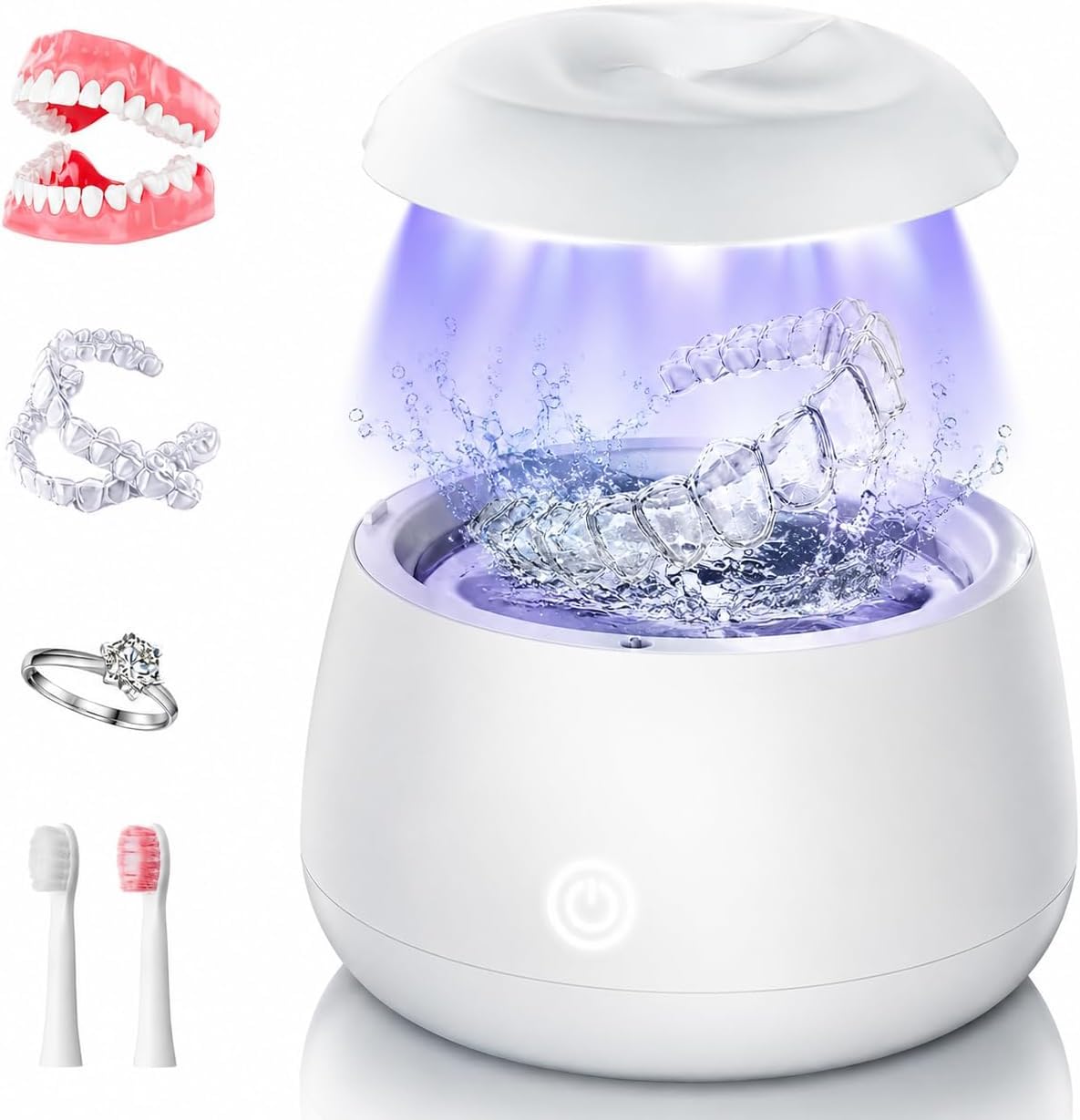
Retainer and denture cleaners: check for UV and cycle length
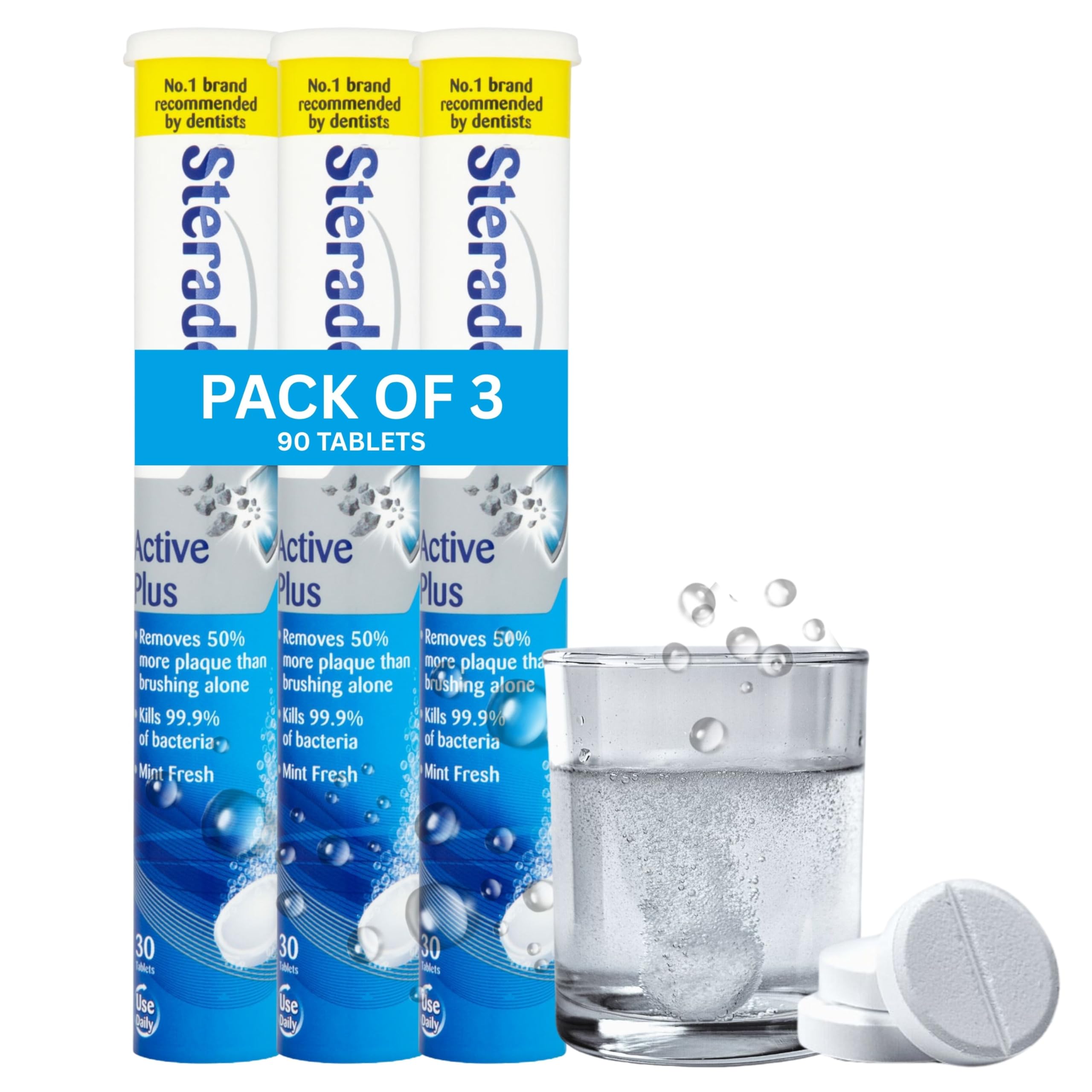
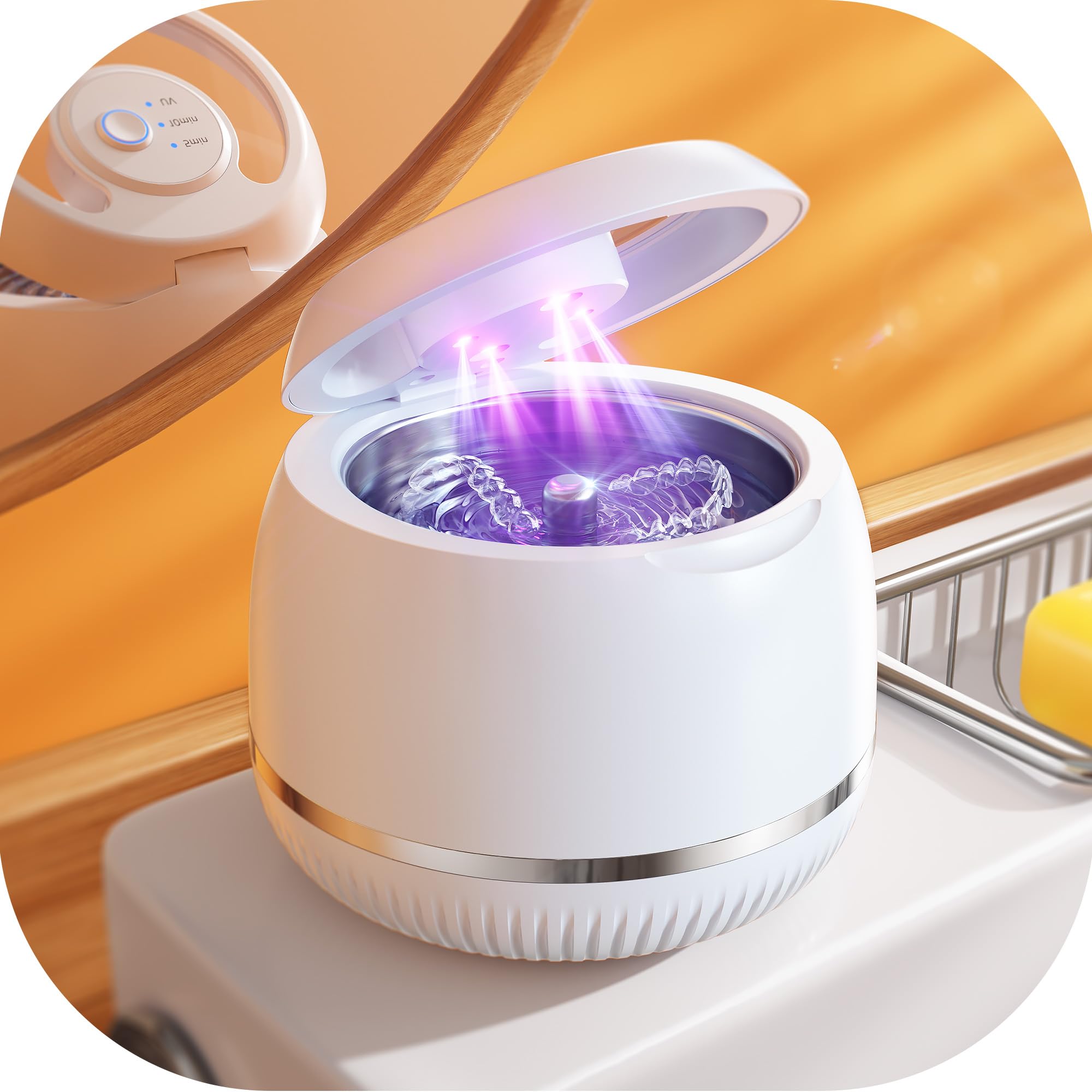
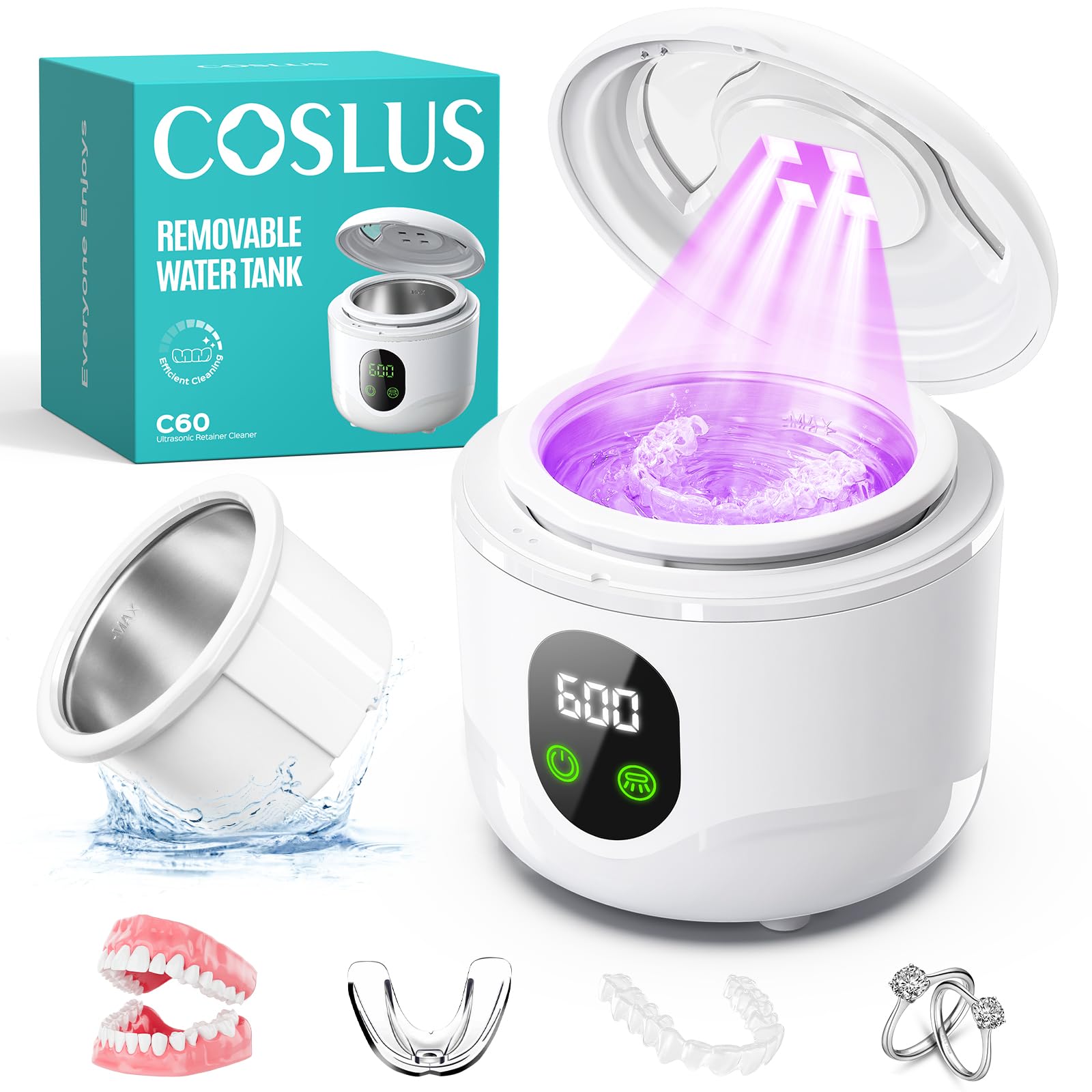
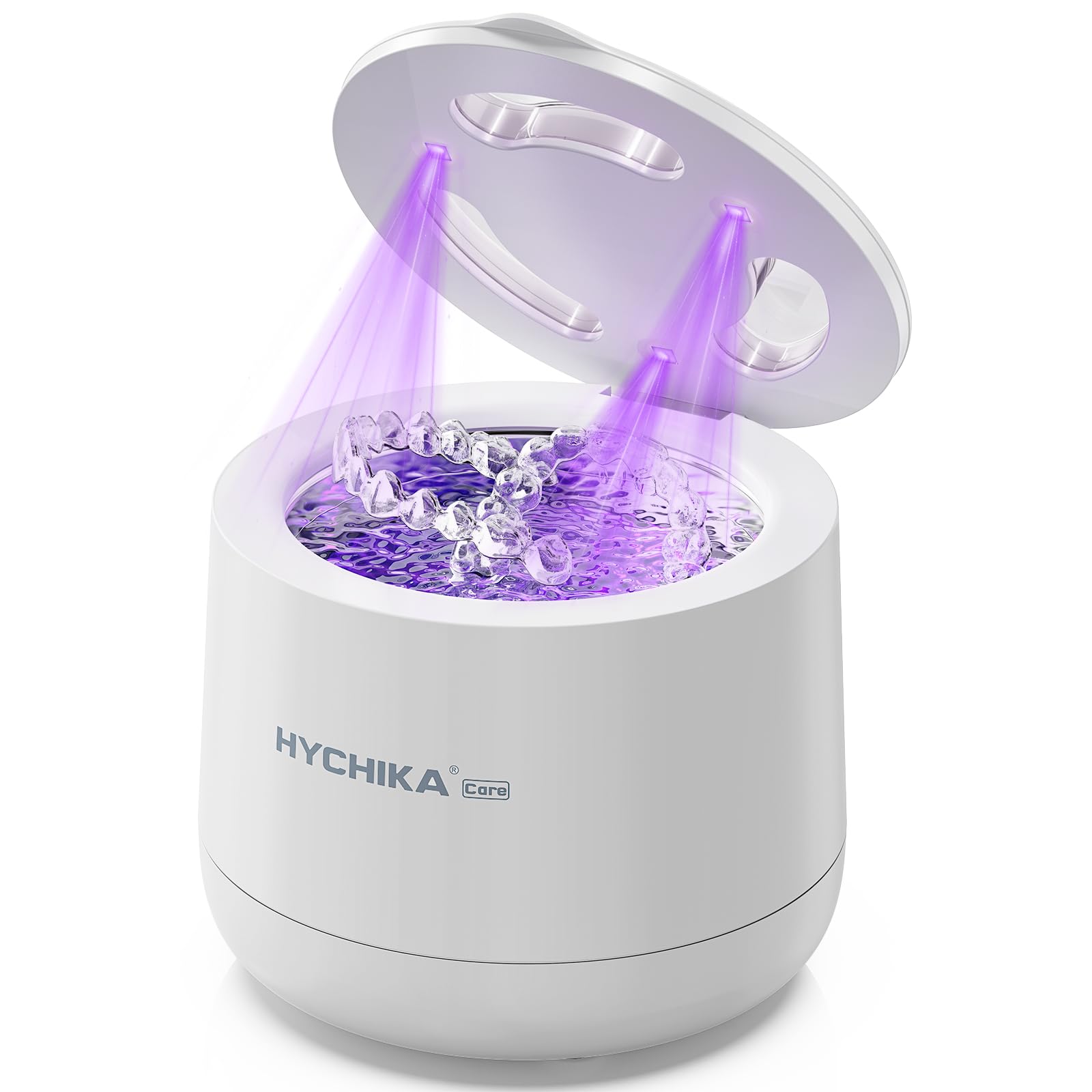
Beyond the ultrasonic wave, the two features worth comparing are UV-C sterilisation (targets odour-causing bacteria, a separate job to the mechanical cleaning) and cycle length. A cleaner with only a fixed 5-minute cycle can cut a cleaning tablet's dissolving time short; models with a longer dedicated soak mode give the tablet time to fully work.
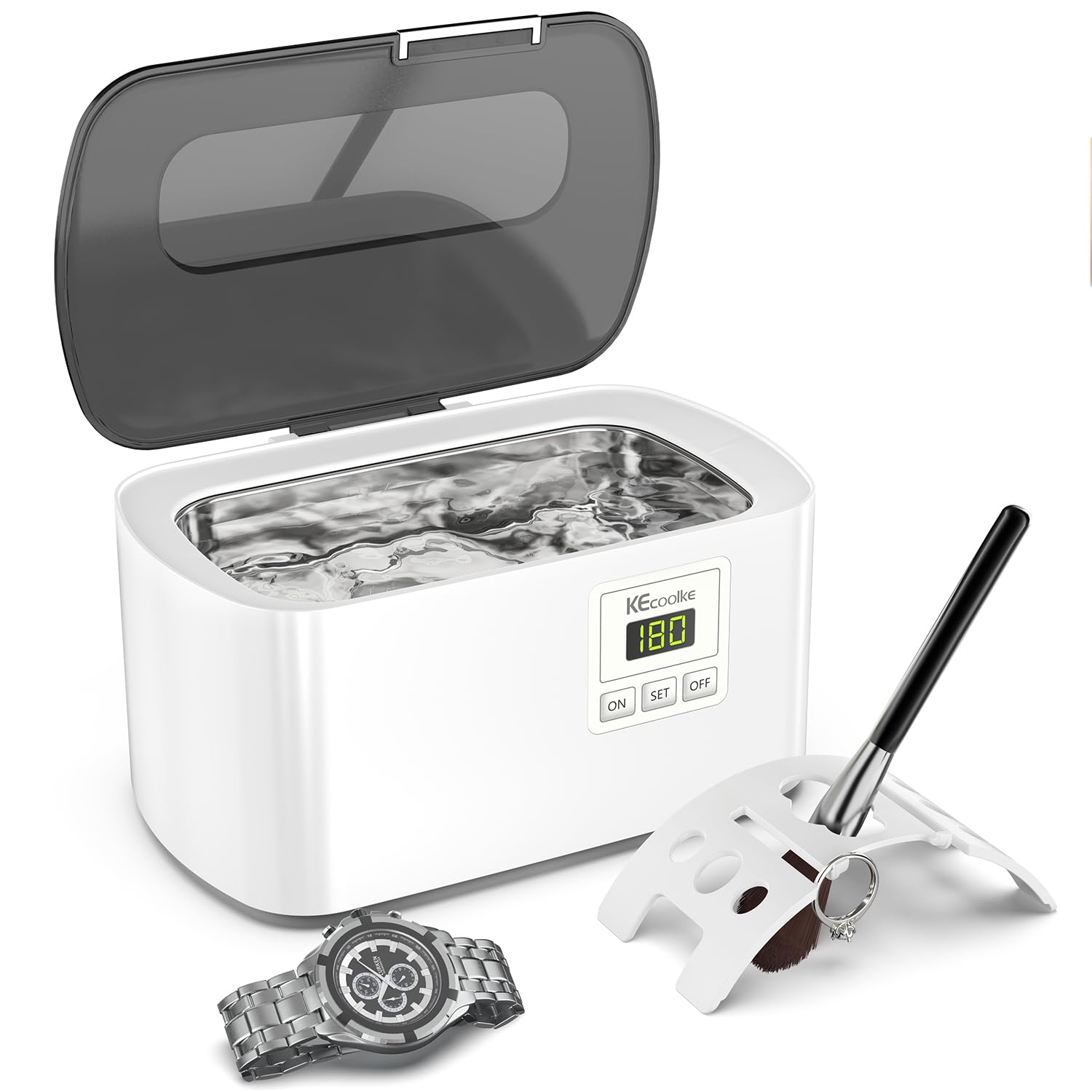
Jewellery and watch cleaners: match tank size to how much you clean at once
Tank capacity ranges from 180ml (compact, travel-friendly, one item at a time) up to 640ml (a full jewellery box in one sitting). A watch stand is worth checking for specifically if you clean watches regularly, it holds the case clear of the tank floor rather than resting it directly against the vibrating stainless steel. Not every stone or material cleans safely ultrasonically, solid metals and most cut gemstones are fine; porous or treated stones like pearls, opals and some emeralds are better cleaned by hand.
Parts cleaners: power and heat matter more than frequency
Cleaning small mechanical parts, tools or circuit boards calls for a genuinely different tool: more wattage, a larger tank, and usually a built-in heater to cut through grease and oil that a jewellery-cleaner cycle isn't built to handle. A degas mode, which clears trapped gas from the solution before the main cycle, is a sign of a cleaner built for this heavier-duty use rather than jewellery repurposed for parts.
What to check regardless of category
A detachable tank avoids the most common failure mode in this category, water working into the electronics of a fixed-tank unit over months of use. Noise level matters if the cleaner will run in a shared bathroom or bedroom, look for a stated dB figure if you plan to use it early or late in the day. And always confirm what's actually safe to clean in a given unit before running anything genuinely delicate through it for the first time.